
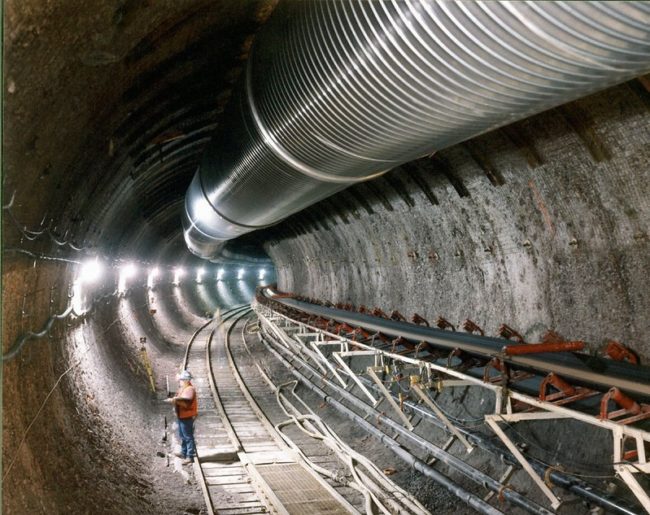
In Europe, increasing efforts on climate change mitigation, a sudden focus on energy independence after Russia’s invasion of Ukraine, and reported breakthroughs in nuclear fusion have sparked renewed interest in the potential of nuclear power. So-called small modular reactors (SMRs) are increasingly under development, and familiar promises about nuclear power’s potential are being revived.
Nuclear power is routinely portrayed by proponents as the source of “limitless” amounts of carbon-free electricity. The rhetorical move from speaking about “renewable energy” to “fossil-free energy” is increasingly evident, and telling.
Read the full article here.